


There is a particular kind of isolation I see in midlife women that does not get talked about enough.
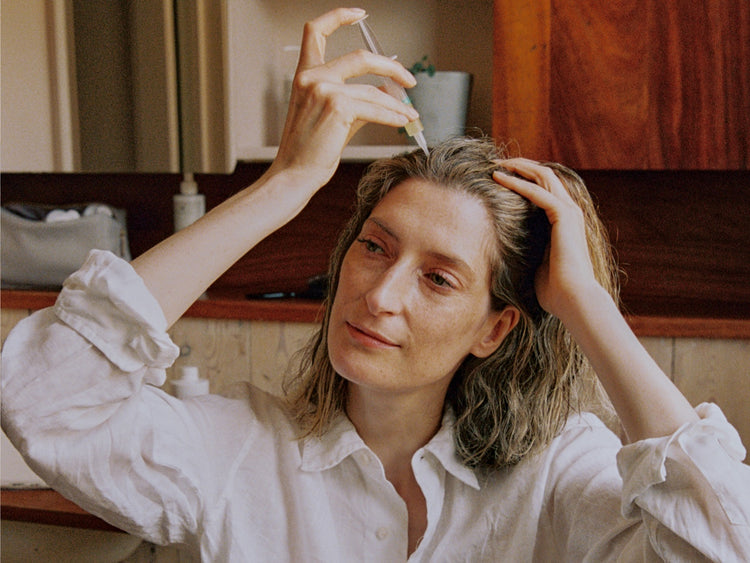
It happens quietly. Gradually. Often behind closed bathroom doors and in parked cars before appointments. It lives in the pause before a woman looks at her hand after squeezing out her wet hair in the shower. It shows up in the way she studies the widening part in her hairline, the texture change she cannot explain, the handful of strands left behind in her hairbrush, or the ponytail that suddenly feels thinner.
Or for me, it was when my daughter asked me if I was dying because she noticed so much hair shedding onto my sweater. Severe illness was the only reason she had seen hair loss, and she was noticing.
Because so many women have been taught to minimize their own experiences, they often don’t say anything at first.
They tell themselves they are overreacting.
They tell themselves it is vain.
They tell themselves they should be grateful for the bigger things in life.
I didn’t tell anyone. I didn’t talk about my concerns, my fears, or my feelings about it. I didn’t tell anyone it was happening.
But after twenty years as a therapist working with women, focusing on relationships, sexuality, and identity, I can tell you this with certainty: hair loss in midlife is rarely just about hair.
It is about recognition.
It is about identity.
It is about feeling unfamiliar to yourself in a body you have lived in for decades.
And mostly, it is about having another loss that you didn’t choose and didn’t know could happen.
For many women, including myself, it began much earlier than we were prepared for.
It Starts Earlier Than Most Women Realize
One of the most frustrating realities about perimenopause is that many women do not know they are in it when symptoms first begin.
They expect menopause to arrive dramatically and all at once. Instead, it often enters quietly through side doors: sleep disruption, anxiety, irritability, shifts in desire, skin changes, fatigue, brain fog, changes in body composition, and yes, changes in hair and scalp health.
I see women become deeply unsettled because they feel disconnected from themselves before they have language for what is happening. They often say things like, “I just don’t feel like myself anymore,” while simultaneously trying to hold careers, relationships, parenting, caregiving, and entire households together.
And because hair is so tied to femininity, vitality, sensuality, youth, culture, and self-expression, the emotional impact can feel disproportionate to outsiders while feeling enormous internally.
But it is not disproportionate.
Hair is personal. We associate hair with vitality. Youth. Health. Attractiveness. Status.
Hair is social. It is a conversation starter. Hair salons and our stylists are social hubs and often act as our therapists. Hair is a calling card and a personal brand.
Hair is psychological. It is often one of the first ways we recognize ourselves in the mirror.
When that relationship changes unexpectedly, many women experience real grief.
The Emotional Reality of Hair Changes in Midlife
There is a moment many women have that they never tell anyone about.
It might happen while getting ready for dinner. Or in a dressing room. Or while looking at old photographs on their phone.
They notice themselves comparing who they are now to who they were five years ago.
Not because they believe women lose value with age. Many intellectually reject that idea completely. But because something feels altered in a way they were not emotionally prepared for.
And what makes this particularly painful is that conventional medicine has historically done a poor job helping women contextualize these experiences.
Women are frequently told they are stressed. Aging. Busy. Hormonal. Fine.
Fine is a devastating word when someone does not feel fine.
What I often see clinically is not just distress about appearance, but a deeper fear lies underneath it:
What will it be like when this ends? Actually…will this end?
Am I becoming invisible?
Will I ever feel fully like myself again?
For some women, hair changes also intersect with intimacy and sexuality in ways people rarely discuss openly.
When someone already feels disconnected from their body because of hormonal changes, fatigue, weight redistribution, vaginal dryness, or fluctuating libido, visible hair thinning can intensify a sense of self-consciousness and disconnection from sensuality. From who they are sexually. They feel a hit to their sexual currency and a disconnection from their relationship to their body.
Women frequently believe they are supposed to carry all of this privately and gracefully.
I do not think silence is grace—I think informed support is.
What Hormonal Changes Actually Affect
Midlife hormonal shifts affect far more than reproduction. Estrogen and progesterone influence mood regulation, sleep, skin, cognitive functioning, inflammation, stress resilience, sexual functioning, and hair health.
When hormones fluctuate, women can notice changes not only in hair density, but also texture, scalp sensitivity, shedding patterns, dryness, and overall vitality.
And because these changes often happen gradually, women sometimes adapt emotionally before they ever seek support. They normalize suffering. They downplay distress. They wait.
I wish more women understood this: delayed care often deepens the emotional burden.
Don’t misunderstand my emphasis, I do not think every symptom must be “fixed,” but I do believe women deserve informed conversations earlier than they typically receive them.
One of the healthiest psychological shifts I see in women during this stage of life is the movement away from resignation and toward authorship. Agency.
There is a difference between acceptance and surrendering yourself.
Acceptance says: “My body is changing, and I deserve support while I navigate those changes.”
Resignation says: “This is just what happens to women, and I should quietly tolerate it.” Or “This is too embarrassing to acknowledge or tell anyone about.”
Those are not the same thing.
Why Women Stay Silent
There is still enormous stigma surrounding women’s aging, especially around anything related to hormones, sexuality, hair thinning, or visible bodily change.
Many women fear sounding shallow if they admit how much hair loss affects them emotionally. Others feel embarrassed discussing intimacy changes, lowered desire, or shifts in confidence. Some have spent years caring for everyone else and no longer know how to advocate for themselves at all.
So they become extraordinarily skilled at functioning while disconnected.
I know this all too well. I was up late at night searching on the web for any and all remedies for hair loss. I went to a web search before I asked friends or medical professionals for help and advice. My shame and embarrassment about the problem and even more so about how much I cared about the problem. That is what kept me suffering longer than I needed to and deeper than was healthy.
This is one of the reasons I care deeply about spaces and companies that approach women’s health differently. Women deserve conversations that are nuanced, psychologically informed, clinically grounded, and deeply human.
They deserve providers who understand that restoring hair health is not merely cosmetic for many women. It can become part of restoring confidence, self-recognition, agency, and emotional well-being.
The Power of Taking Action
One of the most powerful experiences for any woman in midlife is realizing she still has authorship and agency over her experience.
Not total control. Not perfection. Not the ability to stop aging.
Sovereignty.
Agency is one of the central concepts I teach in my work, and at its core, agency means living on your own terms with intention, voice, and self-awareness. It means becoming an active participant in your life instead of disappearing from it. It means knowing what you want and need and knowing it is okay and even necessary to know your terms in life.
Sometimes agency looks dramatic.
Sometimes it looks incredibly quiet.
Sometimes it looks like making the appointment.
Asking the question.
Seeking informed care.
Refusing to dismiss yourself anymore.
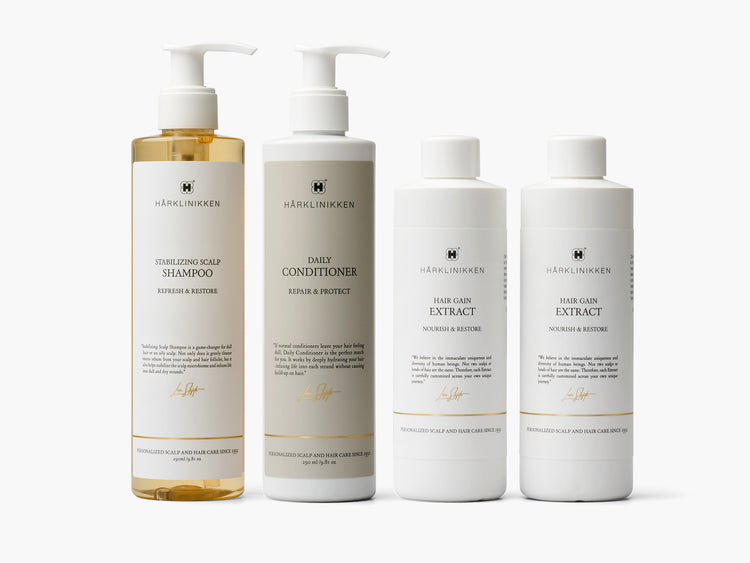
What I appreciate about Hårklinikken’s approach is that it recognizes hair and scalp health as deeply individual. Women in midlife do not need shame, gimmicks, or one-size-fits-all promises. They need thoughtful, personalized care rooted in expertise and consistency.
They need to feel seen.
And perhaps most importantly, they need to understand they are not frivolous for caring.
What You Deserve at This Stage of Life
I think women deserve more honest conversations about midlife.
Honest, authentic ones.
Removed from anti-aging propaganda.
And conversations that understand women are more than hormones alone.
I think women deserve conversations that acknowledge complexity.
This stage of life can absolutely include grief and disorientation. But it can also include clarity, self-respect, reinvention, sensuality, wisdom, freedom, and a deeper relationship with oneself than many women have ever had before.
I have watched women in midlife become more themselves, not less.
Becoming more yourself, however, requires support. It requires information. It requires self-trust. And sometimes, it requires finally deciding that your well-being matters enough to tend to intentionally.
Including your hair.
Including your body.
Including your sense of self.
Because women deserve to recognize themselves not only in the mirror, but in their own lives again.
